![BitConnect: Bitcoin Robots Trading Platforms [Bitcoin Robot Reviews]](https://www.bitconnect.co/wp-content/uploads/2026/03/logo-178x40.png)
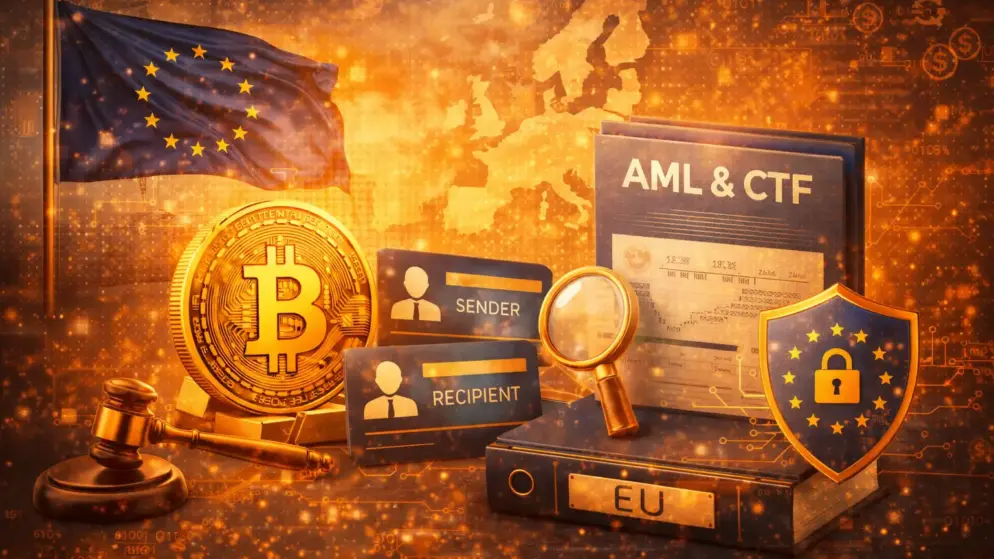
The European Union has taken significant steps toward tightening control over cryptocurrency transactions, citing concerns related to money laundering and terrorism financing. As digital assets continue to grow in popularity, regulators are introducing stricter rules aimed at increasing transparency and reducing misuse.
Recent regulatory initiatives focus on expanding oversight across the entire crypto sector, ensuring that exchanges and service providers follow the same compliance standards as traditional financial institutions.
Tracking Crypto Transactions Across Borders
One of the key measures introduced by EU authorities is the requirement for crypto-asset service providers to collect and share detailed transaction data. These rules are designed to make cryptocurrency transfers traceable, allowing authorities to identify suspicious activity more effectively.
Under updated regulations, information about both the sender and recipient must be recorded and made accessible when needed. This approach mirrors traditional banking regulations and reflects a broader shift toward financial transparency in the crypto space.
The Fight Against Terrorism Financing
European regulators have emphasized that cryptocurrencies, due to their speed and global accessibility, can be exploited for illicit purposes. As a result, anti-money laundering (AML) and counter-terrorism financing (CTF) measures have been extended to cover digital assets.
The introduction of stricter compliance requirements is part of a long-term strategy to prevent financial systems from being used to support illegal networks. Over time, EU directives have evolved to address these risks across multiple industries, including the growing crypto market.
Expanding Regulation to the Entire Crypto Sector
Earlier frameworks focused primarily on traditional financial institutions, but newer regulations now apply directly to crypto exchanges, wallet providers, and related services. This includes mandatory identity verification, transaction monitoring, and reporting obligations.
The EU has also moved toward establishing unified rules across member states, reducing inconsistencies and creating a more standardized regulatory environment for digital assets.
Industry Reaction and Privacy Concerns
The growing level of oversight has raised concerns within the cryptocurrency community. Critics argue that increased surveillance may conflict with the core principles of decentralization and financial privacy.
Some industry participants worry that strict regulations could limit innovation or drive crypto businesses to more lenient jurisdictions. At the same time, others view regulation as a necessary step toward mainstream adoption and institutional trust.
Toward a Regulated Digital Economy
The European Union’s actions signal a clear shift toward integrating cryptocurrencies into the formal financial system. New frameworks, including comprehensive regulations for crypto assets, aim to balance innovation with risk management and consumer protection.
As the regulatory landscape continues to evolve, users and businesses must adapt to increasing compliance requirements. The future of cryptocurrency in Europe will likely be shaped by this balance between oversight and technological progress.
What This Means for Crypto Users
For everyday users, these developments highlight the importance of understanding how regulation affects digital asset transactions. Transparency, compliance, and security are becoming central elements of the crypto experience.
While regulation may introduce new limitations, it also has the potential to strengthen the overall ecosystem by reducing fraud and improving trust in blockchain-based systems.